Who made Grand Theft Auto?
Scotland’s DMA Design developed the original Grand Theft Auto, and BMG Interactive published its initial release. In a 2015 interview, programmer and artist Mike Dailly recalled an early cops-and-robbers prototype. Designer Paul Farley remembered the team bringing ideas from films, television, and music into the office. The city became a place to improvise between jobs, an idea that survived every change of camera.
In March 1998, Take-Two Interactive bought substantially all of BMG Interactive’s assets, including GTA publishing rights. Rockstar Games became Take-Two’s publishing label for the series. Take-Two separately acquired DMA Design in September 1999, and the studio took the Rockstar North name in 2002. In the later credits, Rockstar North is the development studio, Rockstar Games is the publishing label, and Take-Two Interactive is the parent company.
The city from above
Take-Two’s fiscal 1999 filing dates the original’s international debut to November 1997 and lists PC and PlayStation among its early platforms. The overhead camera turned traffic and streets into a moving map. A ringing payphone could send you on a job, or you could keep driving through Liberty City, Vice City, or San Andreas and make your own trouble.
Rockstar Canada’s London 1969 took the same format to a real city in April 1999 as a mission pack for PC and PlayStation. That October, DMA Design’s GTA 2 arrived on PC and PlayStation under the Rockstar Games label. The numbered sequel kept the overhead view and let you take jobs for rival gangs. Helping one could make another hostile, giving your choice of work consequences on the street.
Three cities, three ways to build a world
GTA III debuted on PlayStation 2 on October 22, 2001. The original manual credits DMA Design, the studio Rockstar now lists as Rockstar North. The move to a fully 3D Liberty City put you at street level in a fictional city modeled on New York. Bridges, traffic, and neighborhoods gave a drive its own rhythm. You could take the next story job or put it off for a taxi fare. The Strong National Museum of Play inducted GTA III into its World Video Game Hall of Fame in 2016, citing the mainstream appeal of that freedom.
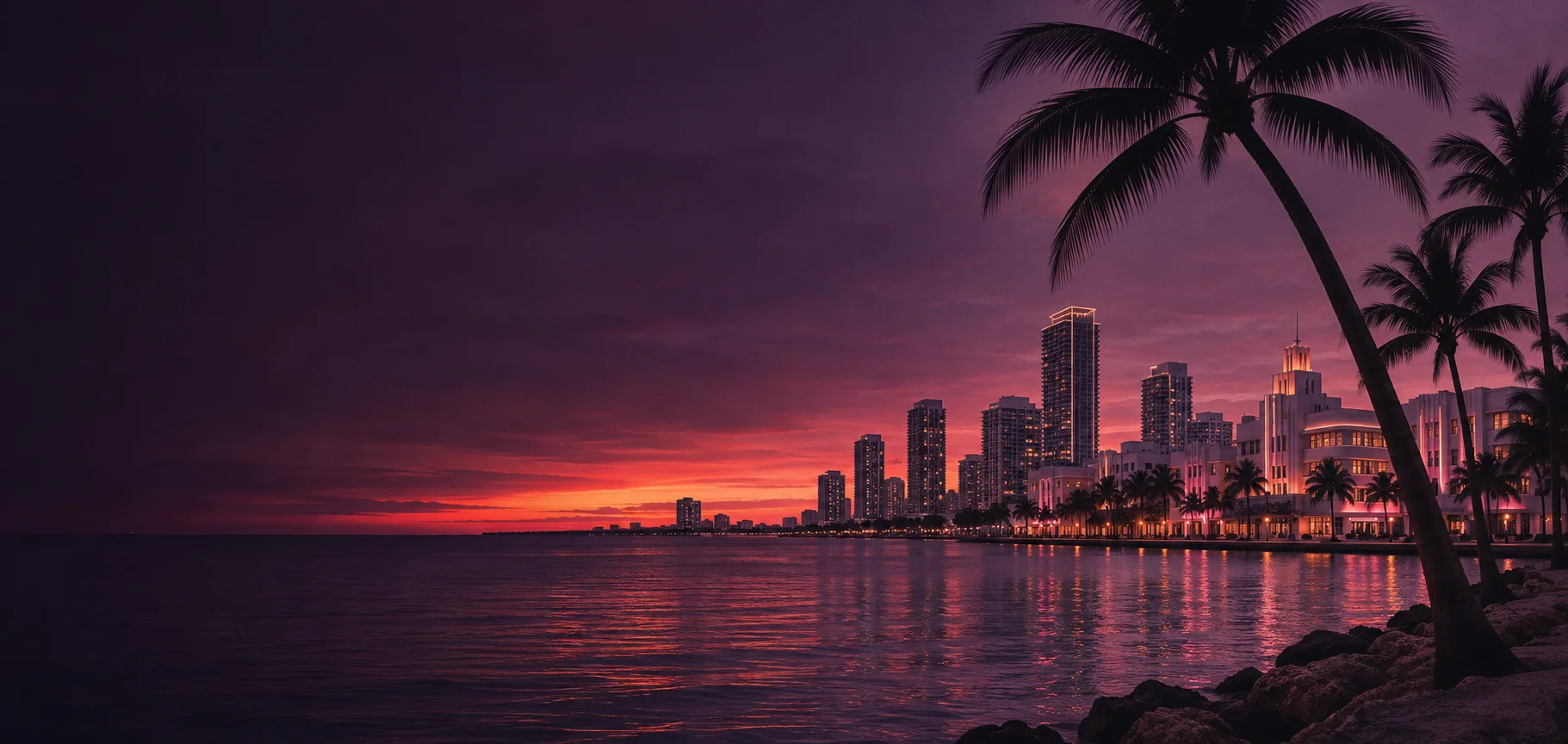
Rockstar North’s Vice City followed on PlayStation 2 in October 2002. A contemporary joint announcement from Rockstar and Sony Music dates the U.S. launch to October 29. The Miami-inspired setting used pastel buildings, beachfront roads, and period radio to make the 1980s part of the game’s identity. San Andreas, also by Rockstar North, debuted on PlayStation 2 on October 26, 2004. It linked Los Santos, San Fierro, and Las Venturas with countryside and desert, and made activities such as cycling and working out part of shaping your character.
The Definitive Edition, released in 2021, remastered those three games with updated visuals and controls. Those editions came years after the original PlayStation 2 releases.
The joke was on the radio, too
Farley recalled that the original team wanted to poke fun at American culture. Vice City carried that impulse into the car stereo. Real recordings by artists such as Blondie and Judas Priest shared the dial with fictional DJs, jingles, and commercials that parodied radio formats. Switching from pop to metal could change the mood of a drive and introduce a band you’d never heard. Rockstar and Sony Music even released station-themed albums alongside the U.S. launch.
The series also drew controversy over what players could see and do. According to the U.S. Federal Trade Commission’s 2006 complaint, the ESRB revoked the original San Andreas rating on July 20, 2005, after the “Hot Coffee” modification exposed disabled sexual content. The original editions moved from Mature 17+ to Adults Only 18+, putting the disclosure of hidden material at the center of the ratings dispute.
GTA in your pocket
Rockstar Leeds and Rockstar North brought the 3D formula to the PSP with Liberty City Stories on October 25, 2005, and Vice City Stories on October 31, 2006. Both told new stories in familiar cities and later came to PlayStation 2.
The same studios took a different approach with Chinatown Wars, which debuted on Nintendo DS on March 17, 2009. Its elevated camera recalled the early games, while touch-screen interactions gave the handheld version a style of its own.
GTA IV retells Liberty City from three angles
Rockstar North’s GTA IV arrived on PlayStation 3 and Xbox 360 on April 29, 2008. Its rebuilt Liberty City traded the sweep of San Andreas for a denser city, where riding the subway and walking through a neighborhood helped give each borough a sense of place.
The Lost and Damned (February 17, 2009) and The Ballad of Gay Tony (October 29, 2009) first came to Xbox 360 as downloadable story expansions, each with its own lead. One looked at the city through a motorcycle club, the other through its nightlife. The standalone Episodes from Liberty City disc collected both episodes. It debuted alongside the second episode, and the collection and separate downloads reached PlayStation 3 and PC in April 2010.
From GTA V to an online community
Rockstar North’s GTA V launched on PlayStation 3 and Xbox 360 on September 17, 2013. It let players switch between three protagonists in a satirical version of Southern California. The map stretched from Los Santos to rural Blaine County, so an afternoon could mean a story mission, a round of golf, or a long drive out of town.
GTA Online opened on October 1, 2013, as the multiplayer experience included with GTA V. Shared sessions, creator-made races, and co-op heists gave players reasons to keep coming back. On community-run FiveM roleplay servers, players could take on roles such as a taxi driver or mechanic and improvise scenes that streamers could turn into ongoing shows. In August 2023, Rockstar announced that Cfx.re, the team behind FiveM, had joined the company. Rockstar’s support documentation lists the official GTA Online service and Cfx.re community servers separately.
Why the return to Vice City matters
Rockstar Games announced November 19, 2026, for the launch of GTA VI on PlayStation 5 and Xbox Series X|S. In a 2026 interview at Rockstar North, development leads Rob Nelson, Phil Hooker, and Aaron Garbut described the work behind the new game. It returns to Vice City and places it within Leonida, Rockstar’s fictional take on Florida. The original showed Vice City from above, the 2002 game made it a period piece, and GTA VI expands the setting to a state that includes coastal keys and wetlands.
The fictional city now has a presence in the real one. In October 2026, Miami-Dade County announced a marketing partnership with Rockstar following the installation of a “Welcome to Vice City” sign on the roof of Miami’s Kaseya Center. The launch brings together people who remember the PlayStation 2 city, people who know GTA through years of online play, and newcomers who first encountered it through clips, streams, or music.